
Okay, so check this out—I’ve carried hardware wallets in my backpack, my jacket, and once, embarrassingly, in a taco box. Whoa! That visceral fear of losing keys is real. My first impression was: this is all clumsy. But the more I used card-based NFC wallets the more my instinct changed. Initially I thought physical devices all felt the same, though actually the form factor matters in ways you don’t notice until it does. Something felt off about bulky dongles once I started using a credit-card-sized NFC card that just sat in my wallet and did its job quietly.
Short version: cold storage doesn’t have to be a ritual. Seriously? Yup. A crypto card gives you the simplicity of a paper backup with the durability of a hardened chip. For many people who want pragmatic security without a PhD in cryptography, these cards are the sweet spot. I’m biased, but I’ve used cards that survive keys tossed into a shoe and others that died in a dishwasher—true story. The difference is design and manufacturing quality, and that’s what we’ll dig into.
Why NFC matters here is subtle and practical. NFC lets your phone talk to the chip without exposing secrets to the internet. That’s the point of cold storage: keep the private keys offline, out of reach of malware and phishing. On the other hand, convenience matters too. If a security solution is painfully awkward, humans will cheat. We are lazy. We are clever. We are also forgetful. So the ideal tool is one that fits your daily life while preserving that offline guarantee.
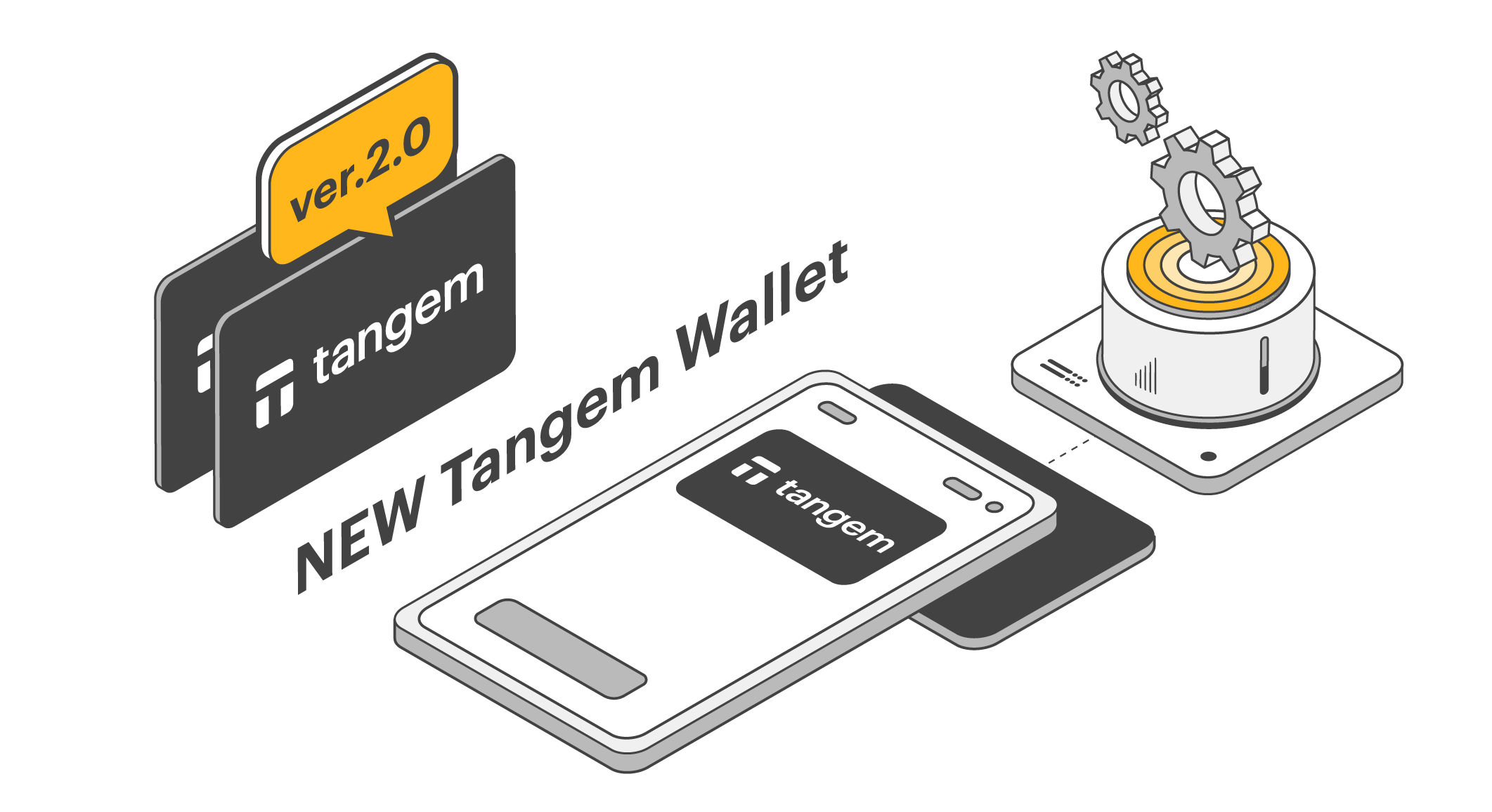
How card-based cold wallets actually work
Tap. Approve. Done. That sounds glib, and it sort of is. But here’s the mechanical truth: these cards contain a secure element that generates and stores private keys inside the chip. The private key never leaves the chip. Your phone may sign a transaction through an app, but the sensitive cryptographic operation happens inside the card. My first reaction the first time I saw the signature flow was, “Wow—this is neat and scary in a good way.” Initially I worried about NFC eavesdropping, but then I learned the protocol layers and that changed my thinking. On one hand the air does carry radio signals; on the other hand, the card won’t release private keys just because someone waves a reader nearby.
Here’s an aside: not all cards are created equal. Some cheap clones store keys in insecure memory or mimic the behavior without certifications. Other cards are built around certified secure elements—think EMV-style chips but for crypto. Those are the ones you want for real cold storage. (Oh, and by the way… always check for independent audits and tamper-resistance claims.)
Okay, so check this out—practical modes of failure. You can lose the card. You can damage it. You can forget the PIN. So most card designs add recovery workflows: seed phrases, backup cards, or multi-card split secrets. My experience: multi-card backups feel right for people who travel. One card in your safe, one in a trusted relative’s lockbox. That model isn’t perfect, but it’s better than a single point of failure. I’m not 100% sure of every user’s threat model, though—so think about yours. Are you protecting against casual theft, targeted attacks, or state-level actors? The answer changes what backup strategy you need.
Security trade-offs often come down to threat modeling. You want an offline secret that resists remote compromise. You also want the ability to sign transactions when you need them. Cards hit that sweet spot by keeping keys offline while enabling sign-with-tap workflows. Yet, they also force better habits: using a PIN, keeping a physical backup, and verifying addresses on the mobile app. Habits matter more than gadgets sometimes—very very important.
Some people worry about NFC itself. “Can’t someone skim my card?” Honestly, it’s an understandable fear. But the combination of short-range communication, authentication prompts, PINs, and the chip not revealing private keys makes skimming a low-likelihood vector for stealing funds. Now, nothing is impossible. If your threat model includes a physically present attacker with specialized gear and time, then layering protections (multi-sig, passphrase, distributed backups) is wise. On the flip side, if you’re a casual investor, the card is often more than sufficient.
Cost and accessibility matter too. A few years ago, secure element cards were expensive or niche. Today they’re more accessible. That change is huge for adoption. People in small towns in the Midwest can get the same level of hardware security as someone in a big city. There’s a social angle here: making secure tools usable increases fairness. I’m warmed by that idea, though it’s not perfect yet.
Functionality differences are important. Some cards only support a handful of chains. Others support dozens and integrate with wallet apps in slick ways. If you care about Ethereum, NFTs, or custodial staking, look at compatibility before you buy. For me, interoperability beats bells and whistles because I like to keep my options open. Initially I thought chain support didn’t matter much; later it became a blocker when an important upgrade landed and my older device couldn’t sign the transactions I needed.
Also—user experience. The best cryptographic solution in the world means nothing if the app forces you into eight confusing steps every time you send $10. The UX on some of these cards is surprisingly thoughtful: address previews, transaction summaries, and simple PIN entry. Some go further, offering recoverable backups that are user-friendly without undermining security. That balance—security plus habit-friendly design—is what makes an NFC card useful in practice.
I should flag one more thing: regulation and provenance. Where a card is made and who audited it matters. Hardware can ship with supply-chain vulnerabilities. Look for transparency: firmware audits, reproducible builds, and clear manufacturing disclosures. I check those before I recommend anything to friends. If a vendor can’t show independent review, my gut says hold off. Actually, wait—let me rephrase that: if you can’t verify who made the secure element and whether the firmware is audited, treat that device with skepticism.
Frequently asked questions
Is a crypto card better than a seed phrase?
They serve different roles. A seed phrase is a universal backup you can restore anywhere. A card keeps the secret offline and limits exposure. Ideally you use both: a secure card for daily cold signing and a seed phrase (or split backup) stored in a different secure place for full recovery.
What if I lose the card?
Recoverability depends on the setup. If you used a seed backup or multi-card split, you can recover. If the card was the only secret and you didn’t back it up, recovery is unlikely. That’s why redundancy matters—store backups in multiple trusted physical locations.
Can my phone be the weak link?
Yes. If your phone is compromised, transaction data can be manipulated. But since the private key doesn’t leave the card, a compromised phone can’t directly steal funds without tricking you into approving a malicious transaction. Always verify transaction details on-screen and enable the card’s address verification features when available.
Okay, parting thought. If you want a practical next step, pick a reputable card, read the audit docs, and practice the recovery process before transferring large sums. I’m biased toward cards with clear proof of secure elements and third-party audits—transparency matters. For hands-on info and a concrete example of a card-first wallet approach, check out this resource here. It helped me map features and trade-offs when I last evaluated options.
Final mood shift: when I started this I was skeptical and a little annoyed at flashy crypto gadgets. Now I’m cautiously optimistic. These cards won’t solve every threat, but they make secure custody more approachable for regular people. That–for me–is worth paying attention to. Somethin’ about that feels hopeful.